

Rotational molding is an essential manufacturing method for creating useless plastic products and services efficiently and consistently. In this information, we examine how Rotational Molding works, its advantages, programs, and crucial criteria for corporations trying to embrace this technique.
What is Rotational Molding?
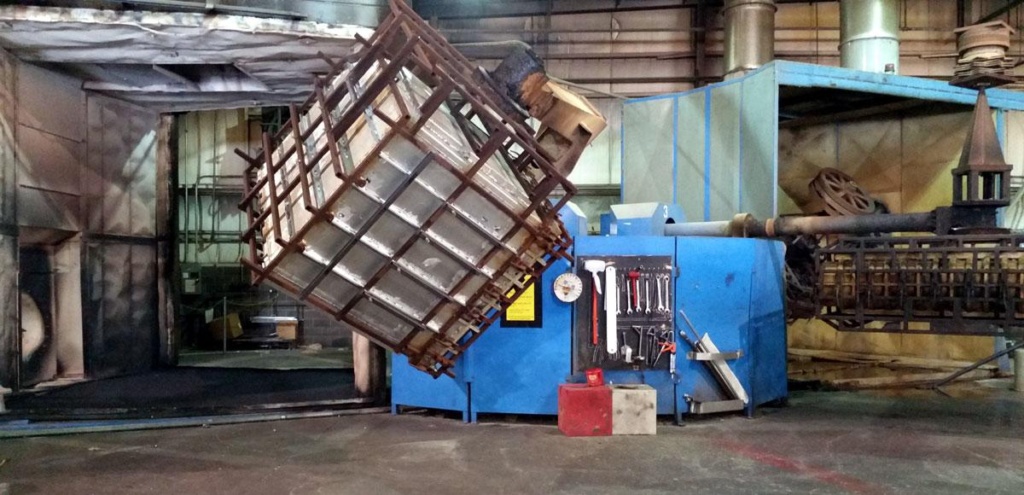
Rotational molding , often called rotomolding , is a method where powdered plastic is positioned in a form, heated, and spun along two axes. This enables the material to consistently coat the interior, building tough, seamless worthless objects such as for instance tanks, pots, and playground equipment. Unlike procedure molding , rotational molding employs lower demands, rendering it cost-effective for large and complex parts.
How Does the Process Work?
The method an average of requires four stages:
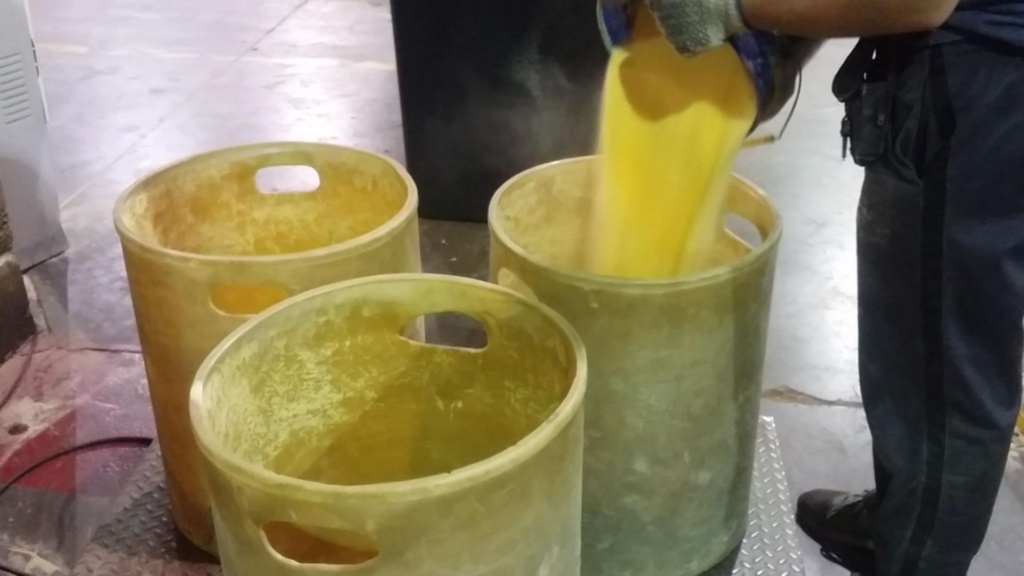
Packing the Form – Plastic-type material is put into the mold.
Heating and Turn – The shape revolves in a range, spreading the material evenly.
Cooling – The mold is cooled while continuing turn to solidify the product.
Demolding – The completed portion is removed and inspected for quality.
Statistics show that rotational molding has an increasing market, with annual market growth prices of 5–6%, driven by demand for tailored, tough plastic products.
What Materials Are Commonly Used?
Polyethylene is the most used substance due to its usefulness, toughness, and easy molding. Other options include polypropylene, PVC, and specialized polymers for high-temperature or chemical-resistant applications. Product selection influences cost, finish, and mechanical properties.
What Are the Advantages?
Design Mobility: Complex styles and big measurements are achievable.
Durability: Items are smooth, lowering fragile points.
Cost-Efficiency: Lower tooling fees in comparison to injection molding.
Consistency: Repeatable quality with small product waste.
Are There Any Limitations?
While rotational molding is adaptable, it has slower pattern situations and is less ideal for very thin-walled parts. Moreover, color improvements involve thorough cleaning or devoted molds.
What Industries Benefit Most?
Rotational molding is generally utilized in:
Storage and chemical tanks
Automotive parts
Playground equipment
Commercial containers and pallets
Industry research indicates that sectors requesting lightweight, durable, and corrosion-resistant alternatives are increasingly adopting rotational molding as a chosen manufacturing technique.
How to Optimize Production?
Effectiveness can be improved by:
Applying standard product sprays
Ensuring precise mold design and preservation
Hiring computerized heating and cooling systems
Future Trends in Rotational Molding
Market developments recommend:
Increased usage of recyclable and sustainable polymers
Integration of electronic checking for quality get a handle on
Expansion into client items and custom styles
Conclusion
Rotational molding provides a distinctive combination of freedom, longevity, and cost-effectiveness. As industries need tailored plastic answers, understanding the process, materials, and purposes is essential for staying competitive. Correctly applied, it ensures top quality, long-lasting products with small waste and consistent performance.